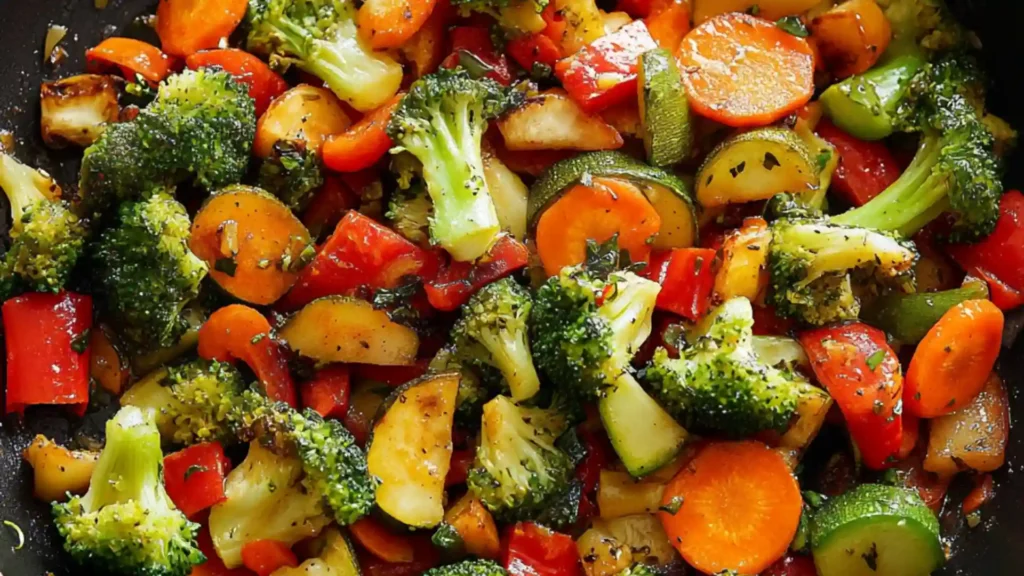
If you’re looking for a quick, vibrant, and heart-healthy side dish, these Healthy Sautéed Vegetables will become your new go-to. Bursting with flavor and packed with nutrients, this simple veggie medley can be served with almost any meal — from grilled chicken to pasta to rice bowls.
Cooking vegetables on the stovetop not only saves time but also enhances their natural sweetness and keeps them tender-crisp. With just a few minutes and simple ingredients, you can create a dish that’s as colorful as it is nutritious.
Whether you’re planning a Sunday dinner with vegetables, a weeknight side, or a meal prep with vegetables for the week ahead, this easy sautéed veggie recipe delivers freshness, taste, and balance every single time.
Table of Contents
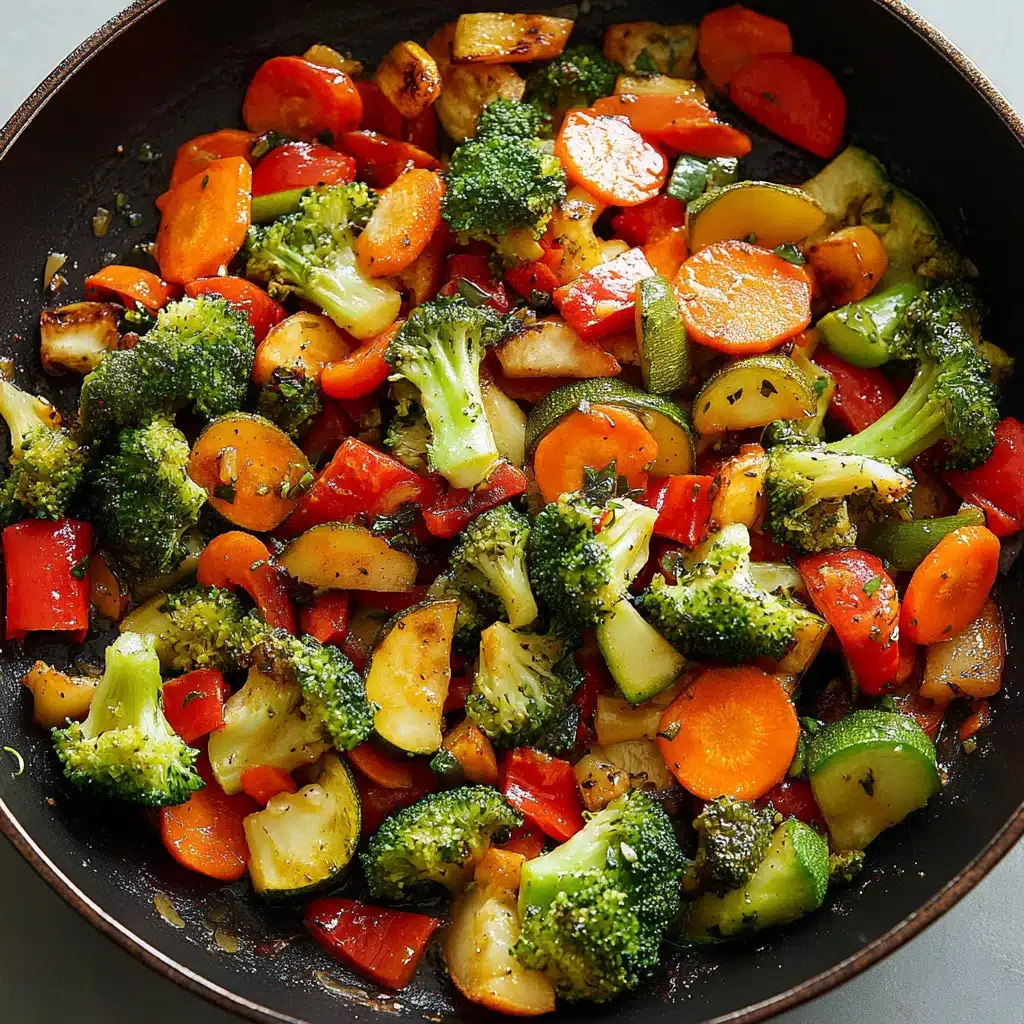
Why This Recipe Works
- Quick and simple: Ready in just 15 minutes — ideal for busy nights.
- Healthy and nutrient-rich: Full of vitamins, fiber, and antioxidants.
- Customizable: Works with almost any vegetable combination.
- Meal-prep friendly: Stores beautifully for 3–4 days.
- Naturally gluten-free and vegan: A wholesome option for every diet.
Sautéing is one of the easiest cooking methods that preserves the veggies’ bright color, crisp texture, and natural flavor. It’s a staple technique in healthy cooking that never gets old.
What Are Sautéed Vegetables?
Sautéed vegetables are fresh vegetables cooked quickly over medium-high heat in a small amount of oil or butter. This method allows the veggies to caramelize slightly, enhancing their flavor while maintaining a tender-crisp texture.
Unlike steaming, which softens vegetables without much flavor, or roasting, which takes longer, sautéing creates that perfect sweet and savory balance. The result? Lightly salted veggies that retain both nutrition and taste.
It’s a foolproof, delicious way to eat more vegetables — whether as a side dish, in grain bowls, or as a base for pasta and stir-fries.
Ingredients Overview and Substitution Tips
The beauty of this recipe is flexibility — you can use whatever you have in your fridge. Below are popular options and simple swaps to keep things interesting.
Common Veggies for Sautéing
- Zucchini: Mild, soft, and cooks quickly.
- Bell peppers: Add sweetness and color variety.
- Broccoli florets: Great for crunch and nutrients.
- Carrots: Provide natural sweetness and vibrant color.
- Snap peas or green beans: Add crisp texture.
- Onions or shallots: Add depth and mild sweetness.
- Mushrooms: Create a rich, savory umami base.
Substitution Tips
- Substitute broccoli with cauliflower for a milder flavor.
- Use olive oil for Mediterranean taste or avocado oil for high heat.
- Add garlic, soy sauce, or balsamic vinegar for a new flavor twist.
- For spice, add crushed red pepper flakes or smoked paprika.
Whether you’re craving Mediterranean flair, Asian-inspired stir-fry, or just a colorful vegetable medley, this recipe adjusts to your taste.
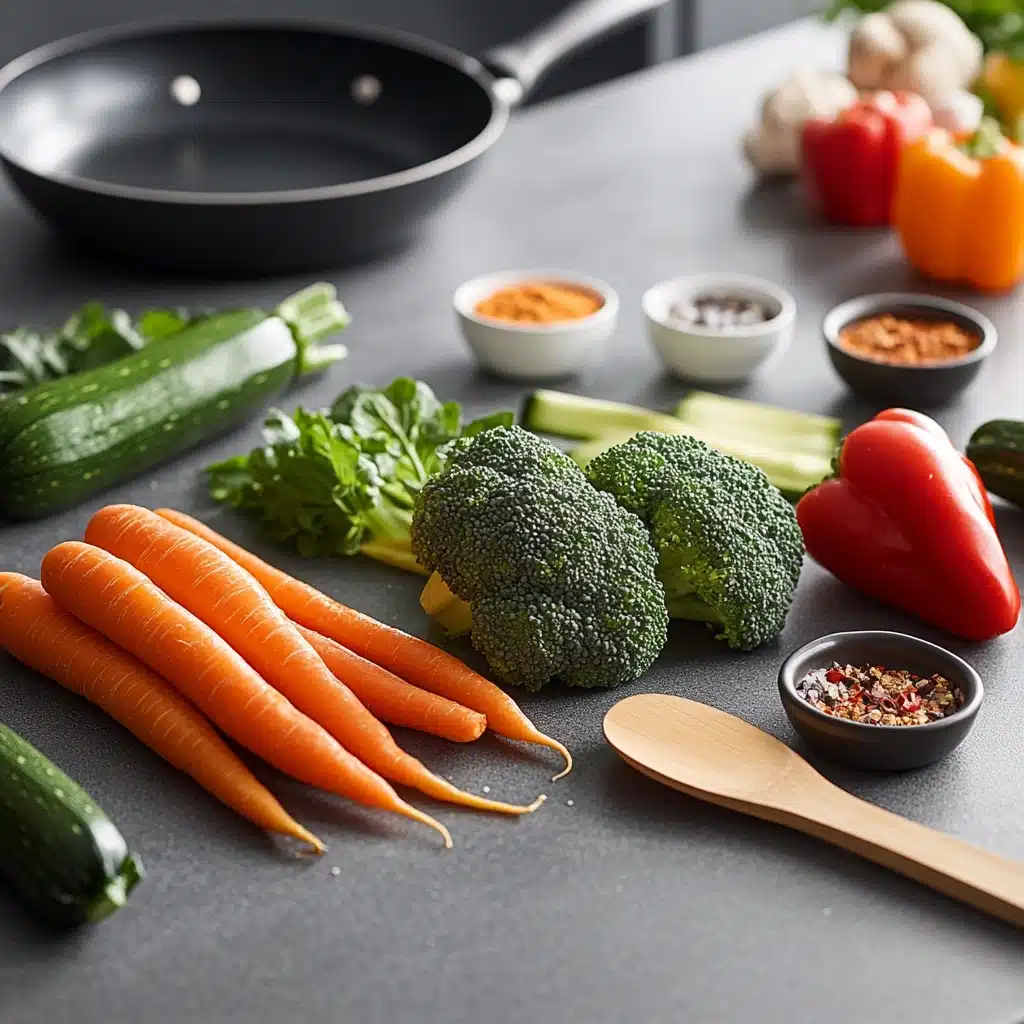
Detailed Ingredient List with Measurements
- 1 tablespoon olive oil (or avocado oil)
- 1 small red bell pepper, sliced (about 100 g)
- 1 small zucchini, sliced into half-moons (about 150 g)
- ½ cup broccoli florets (about 60 g)
- ½ cup sliced carrots (about 60 g)
- ½ small red onion, thinly sliced (about 50 g)
- 1 clove garlic, minced
- Salt and black pepper to taste
- Optional: squeeze of lemon juice or ½ teaspoon balsamic vinegar
- Optional garnish: chopped parsley or sesame seeds
This recipe makes 4 servings and pairs perfectly with rice, grilled proteins, or pasta dishes.
Kitchen Equipment Needed
To make perfect stove-top veggies, gather the following:
- Large nonstick or stainless-steel skillet
- Wooden spoon or spatula
- Cutting board and sharp knife
- Measuring spoons
- Mixing bowl (optional for prepping veggies)
A wide skillet gives your vegetables room to sear instead of steam — this is key to getting crisp, caramelized edges.
Step-by-Step Instructions for Perfectly Sautéed Veggies
Step 1: Prepare the Vegetables
Wash and dry all vegetables thoroughly. Chop into uniform sizes for even cooking. This ensures no one veggie overcooks before the rest.
Step 2: Heat the Pan
Add olive oil to a large skillet and heat over medium-high. When the oil shimmers (not smokes), it’s ready for the veggies.
Step 3: Start with the Hardest Vegetables
Add carrots and broccoli first. Sauté for about 3 minutes, stirring occasionally to prevent burning.
Step 4: Add the Softer Vegetables
Next, add zucchini, onions, and bell peppers. Continue cooking for another 5–7 minutes until everything is crisp-tender.
Step 5: Season and Finish
Add garlic during the last minute of cooking to prevent burning. Season with salt and black pepper, then drizzle with lemon juice or balsamic vinegar for brightness.
Taste and adjust seasoning before serving. Your vegetables should be glossy, tender, and full of flavor — not soggy or bland.
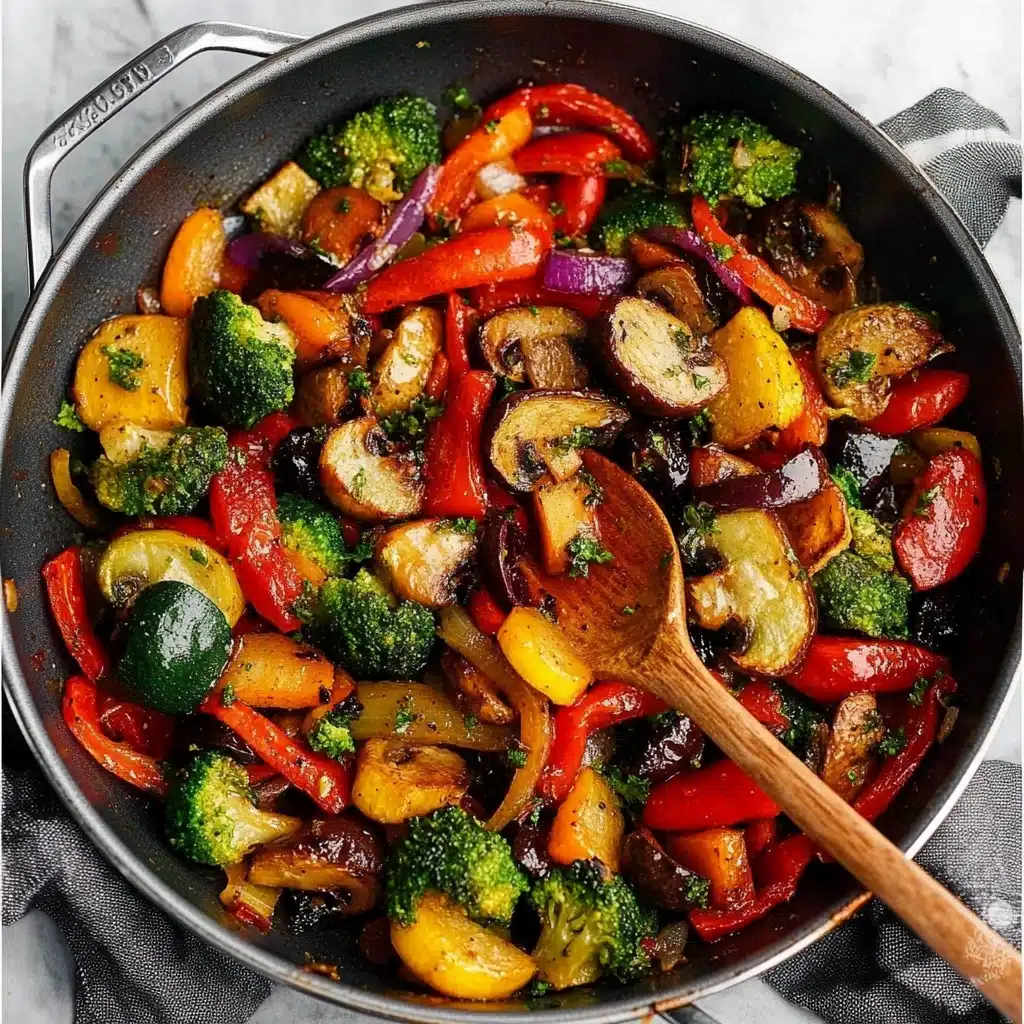
How to Cook Fresh Vegetables on the Stove Properly
Cooking vegetables on the stovetop may seem simple, but the details matter. Follow these expert tips for the best results:
- Avoid overcrowding: Too many veggies will steam instead of sauté. Cook in batches if necessary.
- Use the right oil: Olive oil works for moderate heat; avocado oil is better for higher heat.
- Don’t overcook: Stop when vegetables are still vibrant and slightly crisp.
- Add salt at the end: This keeps veggies from releasing too much water during cooking.
This method is perfect for anyone learning how to cook fresh vegetables quickly without losing flavor or nutrients.
Flavor Enhancements and Seasoning Ideas
The right seasonings can elevate your sautéed vegetables from simple to spectacular. Try these ideas:
- Classic herbs: Parsley, thyme, rosemary, or oregano.
- Asian-style: Soy sauce, sesame oil, and ginger.
- Mediterranean: Garlic, lemon zest, and fresh basil.
- Spicy kick: Crushed red pepper, chili flakes, or a dash of cayenne.
- Savory umami: A sprinkle of Parmesan or nutritional yeast for a dairy-free option.
For the perfect salted veggies, always season at the end — that’s how you get the best balance of flavor and texture.
Meal Prep With Vegetables: How to Plan Ahead
Meal prepping with vegetables is an easy way to save time while eating healthy all week.
- Batch cook: Sauté a large batch and portion into containers.
- Store: Keep in airtight containers for up to 4 days in the fridge.
- Mix and match: Add to rice, quinoa, pasta, or wraps for quick meals.
- Reheat gently: Warm on the stovetop or microwave with a splash of water to maintain texture.
For even more meal prep ideas, pair this dish with Garlic Herb Roasted Potatoes, Carrots, and Zucchini — a delicious combo that adds variety to your weekly menu.
Healthy Benefits of Eating Sautéed Vegetables
Eating a rainbow of vegetables provides a powerhouse of nutrients for overall health:
- Fiber: Supports digestion and fullness.
- Antioxidants: Reduce inflammation and boost immunity.
- Vitamins and minerals: Essential for heart, skin, and brain health.
- Low in calories: Perfect for weight-conscious diets.
Cooking vegetables lightly by sautéing keeps most of their vitamins intact, making this a truly heart-healthy veggie option.
Delicious Healthy Side Dishes and Serving Suggestions
These Healthy Sautéed Vegetables complement nearly any meal. Here are some pairing ideas for inspiration:
- Serve alongside grilled chicken, tofu, or fish.
- Add on top of rice, quinoa, or couscous for a veggie bowl.
- Stir into scrambled eggs or omelets for breakfast.
- Toss with whole-grain pasta for a light dinner.
- Serve as part of your Sunday dinner vegetables for a wholesome spread.
Their versatility makes them an ideal addition to your rotation of delicious healthy side dishes.
Common Mistakes to Avoid
- Overcrowding the pan: Prevents browning and leads to mushy veggies.
- Cooking too long: Makes vegetables lose color and crunch.
- Not drying vegetables: Extra water causes steaming.
- Adding garlic too early: It burns quickly — add near the end.
- Skipping salt or acid: Seasoning and a bit of lemon bring everything to life.
By avoiding these pitfalls, you’ll master perfect stovetop veggies every time.
Variations and Different Vegetable Recipes Ideas
Want to change it up? Try these flavorful variations:
- Mediterranean Style: Add olives, cherry tomatoes, and oregano.
- Asian Stir-Fry: Use soy sauce, sesame oil, and broccoli florets.
- Spicy Southwest Mix: Add corn, black beans, and chili powder.
- Garlic Butter Mix: Sauté with butter and minced garlic for indulgence.
- Sweet & Tangy: Toss with honey and balsamic vinegar for a glaze effect.
These variations make your weekly veggie routine exciting and flavorful.
How to Store and Reheat Leftover Veggies
To store: Let vegetables cool completely, then refrigerate in an airtight container for up to 4 days.
To freeze: Spread in a single layer on a baking sheet to flash-freeze, then transfer to a freezer-safe bag. Store for up to 2 months.
To reheat: Warm in a skillet over low heat or microwave in 30-second bursts. Avoid overheating to preserve texture.
Frequently Asked Questions (FAQ)
1. What vegetables are best for sautéing?
Zucchini, bell peppers, carrots, broccoli, mushrooms, and onions are all excellent choices.
2. When should I add salt to vegetables?
Add salt near the end to prevent water release and sogginess.
3. Can I use frozen vegetables?
Yes! Thaw first and pat dry before cooking for best results.
4. Which oil is best for sautéing vegetables?
Olive oil for flavor, avocado oil for high-heat cooking.
5. How can I make my sautéed vegetables taste better?
Add lemon juice, balsamic vinegar, herbs, or spices to brighten and balance the flavors.
Conclusion and Call to Action
These Healthy Sautéed Vegetables prove that eating well doesn’t have to be boring or time-consuming. With simple ingredients, bold flavors, and a quick stovetop method, you’ll have a dish that’s as good for your heart as it is for your taste buds.
Whether you’re preparing a light dinner, a wholesome side dish, or a week of meal prep, these sautéed veggies bring freshness and flavor to every bite.
If you enjoyed this recipe, share it with your friends, save it for later, and subscribe to our blog for more easy, veggie-forward dishes that make healthy eating delicious!
Print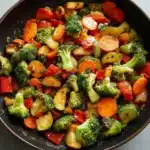
Healthy Sautéed Vegetables : Colorful, Easy & Delicious!
- Total Time: 20 minutes
- Yield: 4 servings 1x
- Diet: Vegan
Description
Healthy Sautéed Vegetables are colorful, quick, and heart-healthy. Bursting with natural flavor and tender-crisp texture, this vibrant veggie medley is the perfect side dish for any meal — from grilled chicken to pasta. Ready in just 15 minutes, it’s as nutritious as it is delicious.
Ingredients
- 1 tablespoon olive oil (or avocado oil)
- 1 small red bell pepper, sliced (about 100 g)
- 1 small zucchini, sliced into half-moons (about 150 g)
- ½ cup broccoli florets (about 60 g)
- ½ cup sliced carrots (about 60 g)
- ½ small red onion, thinly sliced (about 50 g)
- 1 clove garlic, minced
- Salt and black pepper to taste
- Optional: squeeze of lemon juice or ½ teaspoon balsamic vinegar
- Optional garnish: chopped parsley or sesame seeds
Instructions
- Prepare the Vegetables: Wash, dry, and chop all vegetables into uniform pieces for even cooking.
- Heat the Pan: Add olive oil to a large skillet and heat over medium-high until shimmering.
- Cook the Hard Vegetables First: Add carrots and broccoli. Sauté for about 3 minutes, stirring occasionally.
- Add Softer Vegetables: Stir in zucchini, bell pepper, and onion. Cook another 5–7 minutes until crisp-tender.
- Season and Finish: Add garlic during the last minute, then season with salt, pepper, and lemon juice or balsamic vinegar. Toss and serve warm.
Notes
- Meal Prep: Store in airtight containers for up to 4 days in the refrigerator.
- Freezing: Flash-freeze cooked veggies, then store in a freezer-safe bag for up to 2 months.
- Flavor Variations: Try Mediterranean herbs, soy sauce and sesame oil for an Asian twist, or chili flakes for spice.
- Serving Ideas: Pair with rice, quinoa, pasta, or grilled protein for balanced meals.
- Tip: Avoid overcrowding the pan to prevent steaming instead of sautéing.
- Prep Time: 10 minutes
- Cook Time: 10 minutes
- Category: Side Dish, Healthy Recipes, Vegetables
- Method: Sautéed
- Cuisine: Mediterranean
Nutrition
- Serving Size: 1 cup
- Calories: 95
- Sugar: 4g
- Sodium: 70mg
- Fat: 6g
- Saturated Fat: 1g
- Unsaturated Fat: 5g
- Trans Fat: 0g
- Carbohydrates: 9g
- Fiber: 3g
- Protein: 2g
- Cholesterol: 0mg
Keywords: Healthy Sautéed Vegetables, Quick Vegetable Side Dish, Stovetop Vegetables, Easy Veggie Recipes, Colorful Vegetable Medley, Heart Healthy Veggies, Dinner Side Dish